Becoming a better gamer is not simply about spending more hours in front of a screen. Real improvement comes from understanding mechanics, practicing specific skills, making smarter decisions, and learning from mistakes. Structured practice with a clear goal can be more useful than repeatedly playing without reviewing what went wrong.
Whether you enjoy competitive shooters, RPGs, racing games, sports titles, strategy games, or multiplayer adventures, the fundamentals remain similar. You need reliable controls, strong awareness, good timing, and the ability to adapt. A useful approach is to identify one weakness, practice it deliberately, and then evaluate whether your performance has improved.
Master the Basics Before Advanced Techniques
Every game has its own systems, but beginners should first understand movement, controls, objectives, abilities, equipment, maps, and basic progression. Skipping tutorials or ignoring fundamental mechanics can make more advanced strategies difficult to understand later.
Spend time learning what each important control does and how different mechanics interact. If the game has a practice mode, use it to experiment without the pressure of a live match. Learning the basics first creates a foundation for more advanced gameplay and helps you react naturally when situations become difficult.
Focus on One Skill at a Time
Trying to improve everything simultaneously can make progress difficult to measure. Choose one skill for each practice session. For example, a shooter player might focus on aim, while a strategy gamer could work on resource management or map control.
Useful practice goals include:
- Improving accuracy and movement
- Learning important map locations
- Practicing character abilities
- Improving reaction and timing
- Understanding resource management
- Communicating more effectively with teammates
Once one area becomes more consistent, move on to another weakness.
Create a Better Practice Routine
Random matches can be entertaining, but purposeful practice gives your sessions greater direction. Before starting, decide what you want to improve. Then use several matches to apply that specific goal rather than constantly switching strategies.
A simple routine could begin with a short warm-up, followed by focused gameplay and a quick review afterward. If you repeatedly make the same mistake, write it down and deliberately watch for that situation during your next session.
The objective is not to make every game perfect. Instead, aim to reduce recurring errors. Even small improvements in positioning, timing, or decision-making can eventually have a major effect on performance.
Optimize Your Gaming Setup
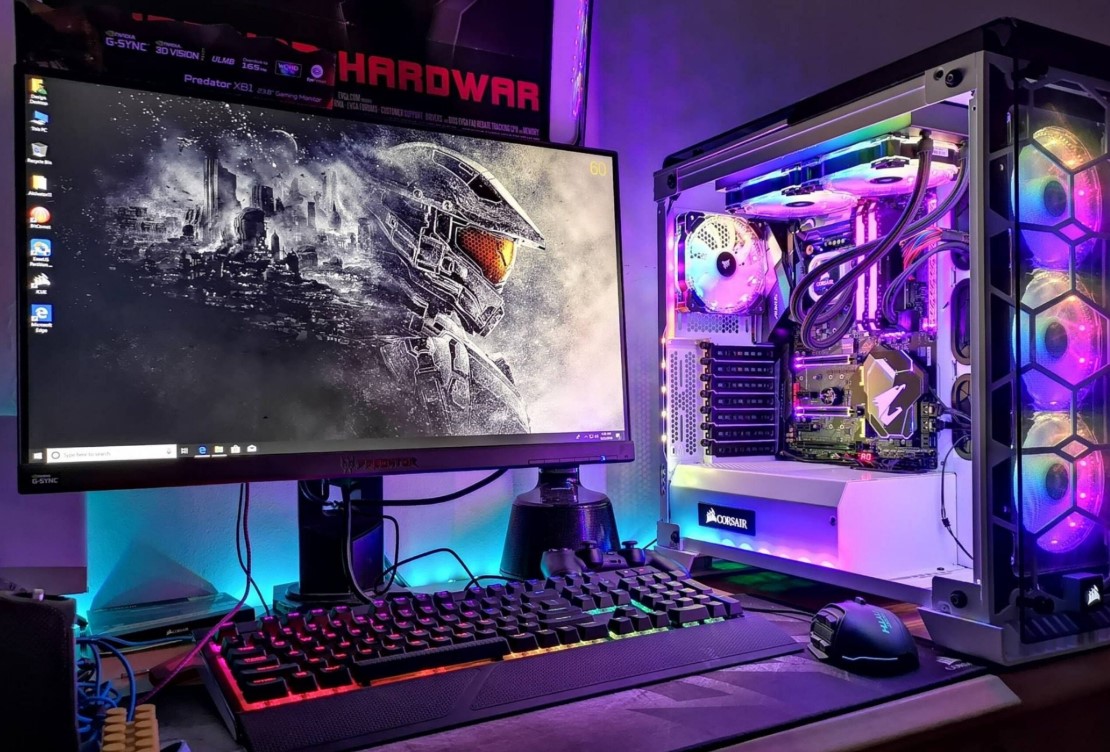
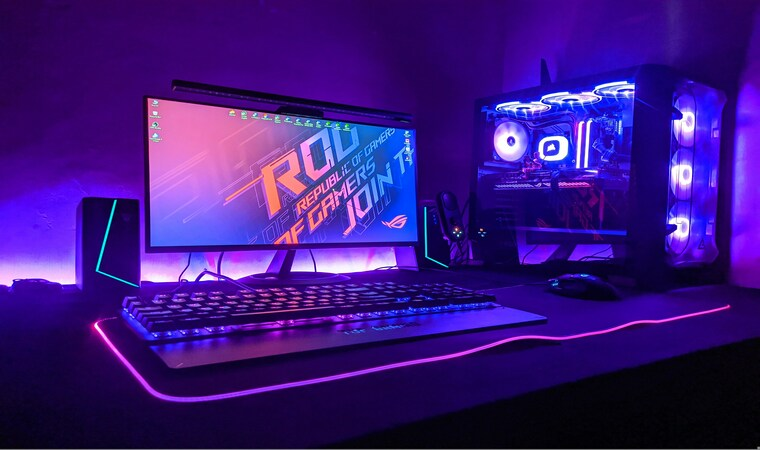
Your hardware and settings should help you play comfortably. Graphics quality, sensitivity, key bindings, controller layout, field of view, audio, and display performance can all influence the experience.
For competitive games, consistent performance is often more useful than maximum visual quality. If your system struggles to maintain stable performance, adjusting demanding graphical settings may help. Similarly, sensitivity should feel controlled rather than simply being set extremely high or low.
Do not change every setting at once. Make one adjustment, test it for several matches, and decide whether it actually improves your experience. This makes it easier to build a setup that matches your individual playstyle.
Improve Map Awareness
Map knowledge can separate experienced players from beginners. Learn important routes, objectives, resource areas, defensive positions, shortcuts, and common engagement locations.
Good map awareness goes beyond memorizing locations. Try to predict what an opponent is likely to do next. If one route becomes dangerous, know where you can reposition. If an objective is approaching, understand which areas provide the best access.
Exploring maps in practice modes can be especially useful. Some gaming guides recommend repeatedly learning map layouts because familiarity allows players to make faster decisions during real matches.
Use Strategy Instead of Relying Only on Reflexes
Fast reactions are useful, but they cannot compensate for poor decisions. Strong players combine mechanical ability with positioning, timing, prediction, and awareness.
Think about why you are making a particular move. Is an attack worth the risk? Should you retreat? Is an important ability better saved for a future encounter? Would waiting give you a better opportunity?
These questions encourage strategic thinking. Professional-level gaming also involves understanding broader game strategy and adapting decisions to different situations rather than relying on one fixed approach.
Develop Better Multiplayer Communication
Team-based games require cooperation. Even highly skilled players can struggle when teammates fail to share useful information or understand their responsibilities.
Keep communication short and relevant. Tell teammates about enemy positions, objectives, important resources, or immediate threats. Avoid unnecessary arguments during matches because they distract from the game.
Your role also matters. A support character may contribute more by protecting teammates than chasing individual eliminations. An objective-focused player should prioritize the objective when necessary rather than focusing entirely on personal statistics.
Manage Resources and Timing
Many games include resources that can change the outcome of an encounter. These might include ammunition, health, currency, cooldowns, energy, equipment, or special abilities.
Using everything immediately is not always the best choice. Consider what is coming next before spending something valuable. Saving a powerful ability for an important objective can be more effective than using it during a minor encounter.
Timing is equally important. Learn when to attack, defend, reposition, upgrade, explore, or wait. Sometimes patience creates a better opportunity than immediate action.
Learn From Every Loss
A loss becomes useful when you understand what caused it. Instead of immediately blaming teammates or luck, examine the decisions you controlled.
Ask yourself whether you were positioned correctly, whether you understood the objective, whether you used resources too early, and whether you reacted appropriately to the situation.
Reviewing mistakes does not require analyzing every second of a match. Identify one or two important moments and consider what you could have done differently. Over time, this process develops stronger game sense.
When browsing general resources such as itseducationbeingcom.com, remember that gaming advice should be compared with the mechanics and current version of the specific game you are playing.
Experiment With Different Playstyles
There is no universal strategy that works equally well for every player. Some gamers prefer aggressive approaches, while others perform better with defensive positioning, careful planning, exploration, or support roles.
Try different characters, weapons, equipment combinations, roles, and strategies when the game allows it. Experimentation can reveal strengths you did not know you had.
It can also make you more adaptable. If an update changes your preferred character or strategy, having experience with alternative approaches makes it easier to adjust.
Stay Current With Game Updates
Modern games can change significantly through patches, balance adjustments, new maps, seasonal content, and mechanic changes. A strategy that worked previously may become less effective after an update.
Players should therefore avoid treating older guides as permanent rules. Check the current game version, test changes yourself, and adjust your strategy when necessary.
If you encounter gaming-related material on findallherejobcom.com, treat it as one information source rather than automatically assuming every recommendation applies to your particular game. Context matters, especially when mechanics and balance change frequently.
Build Better Focus and Patience
Concentration is an important part of gaming performance. When you become tired or frustrated, your decisions may become rushed and less consistent.
If several losses are making you angry, taking a short break can be more productive than immediately starting another match. A reset can help you return with better concentration.
Avoid playing on autopilot. Before important decisions, briefly consider your options. This small pause can prevent unnecessary mistakes, especially in strategy-heavy or competitive games.
Use Online Guides Wisely
Gaming guides can introduce new strategies, explain mechanics, and show alternative approaches. They are particularly useful when a game has complicated systems or when you are stuck on a difficult challenge.
However, copying another player’s strategy without understanding it can create problems. A professional player may have different hardware, teammates, experience, or game knowledge. Instead of copying every action, identify the principle behind the strategy and adapt it to your own situation.
General gaming content found through freefastcouk.com can similarly be used for ideas, but always test recommendations yourself before making them part of your regular playstyle.
Gaming Improvement Guide
| Skill Area | What to Practice | Main Benefit |
|---|---|---|
| Controls | Movement and key actions | Better mechanical confidence |
| Aim | Accuracy and consistency | Improved combat performance |
| Maps | Routes and objectives | Faster decision-making |
| Strategy | Positioning and timing | Smarter plays |
| Teamwork | Clear communication | Better coordination |
| Resources | Cooldowns and equipment | More efficient decisions |
| Mindset | Patience and review | Consistent improvement |
Avoid Common Gaming Mistakes
Several habits can slow improvement. Playing for hours without a goal, changing strategies too frequently, ignoring mistakes, and continuing while frustrated can all reduce the value of practice.
Another common mistake is focusing entirely on statistics. A high score does not always mean that every decision was correct. In objective-based games, positioning, teamwork, and strategic choices may be more important than individual numbers.
When researching information through itsbarapkorg.com, players should also consider whether the advice is current, relevant to their platform, and appropriate for their particular game mode.
Keep Improving Through Adaptation
Good players remain willing to change. When a strategy stops working, investigate why rather than stubbornly repeating it. When an opponent uses an unfamiliar tactic, observe it and look for ways to counter it.
thenewsreversecom.com may be another place where readers encounter online gaming-related information, but the most valuable advice is information you can understand, test, and adapt. Personal experience remains important because different games, platforms, skill levels, and playstyles can produce different results.
Conclusion
Improving at gaming is a gradual process built around deliberate practice, knowledge, strategy, and adaptability. Start with the fundamentals, choose specific skills to practice, optimize your settings, learn maps, communicate clearly, and manage resources carefully. Most importantly, review your mistakes instead of simply moving on from every loss.
You do not need to play endlessly to become better. A focused session with a clear objective can be more valuable than hours of unfocused gameplay. Stay patient, experiment with different approaches, keep learning when games change, and remember to enjoy the experience. With consistent effort and smarter practice, players at almost any skill level can become more confident, capable, and effective.
Leave a Reply